Ear pain home remedy: what actually works (ENT specialist guide)
Mild ear pain can sometimes be managed safely at home with evidence-based steps. Learn what helps, what to avoid, and when to see an ENT specialist.
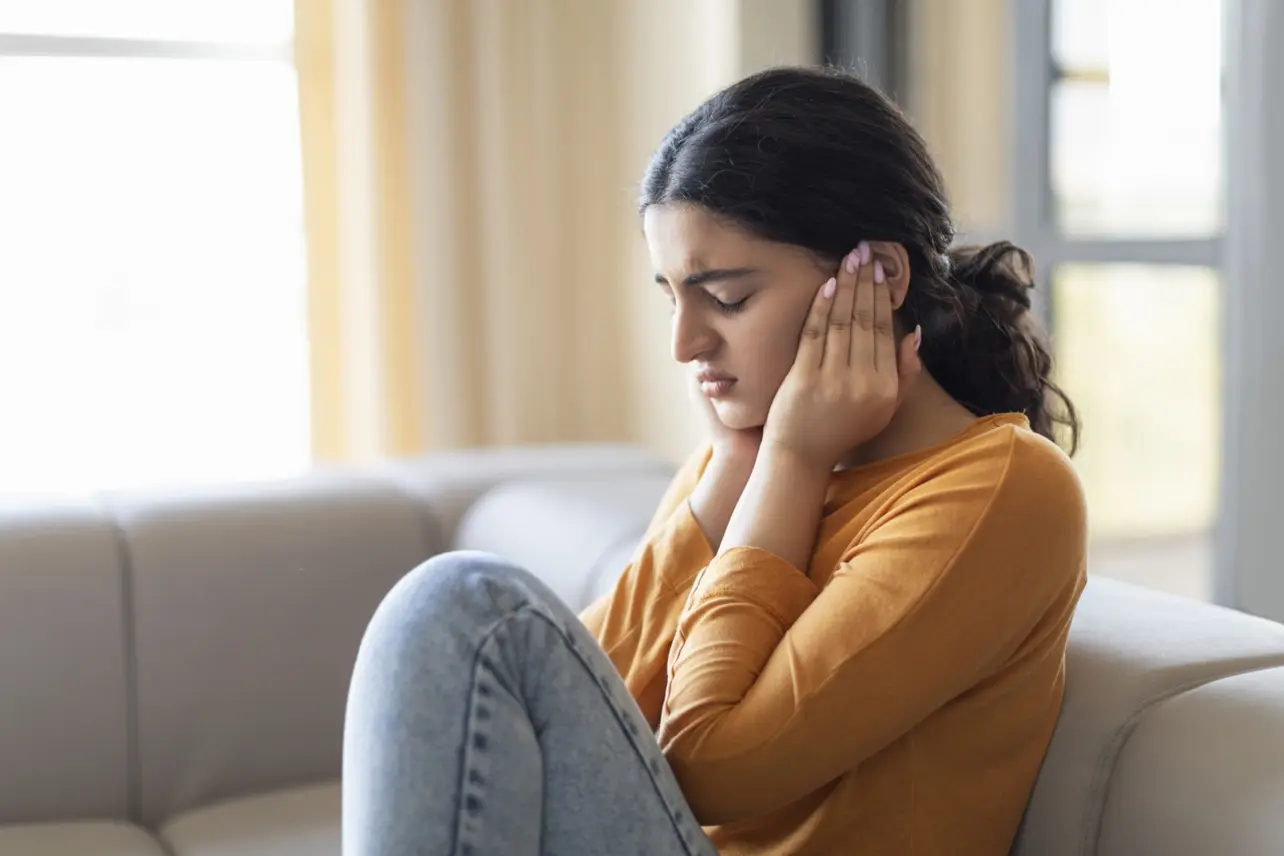
Ear pain can be distressing—but not every case needs immediate medication or antibiotics. Many mild situations can be managed safely at home if you understand the limits and stick to medically sound methods.
This guide summarises evidence-based home measures for appropriate cases and spells out what to avoid. For a fuller overview of causes (including referred pain from the throat, teeth, or jaw), see our article on ear pain (otalgia): causes and when to see an ENT.
Can ear pain be treated at home?
Yes—but only when all of the following apply:
- Mild ear pain
- No fever
- No ear discharge
- No hearing loss
- Symptoms for less than 48–72 hours
If any of these criteria are not met, home treatment alone is not appropriate—arrange medical assessment.
Safe home remedies for ear pain (evidence-based)
1. Warm compress (often the best first step)
How it works: Gentle heat improves local blood flow and can ease muscle spasm and pressure-related discomfort.
How to use:
- Apply a warm (not hot) cloth over the ear and surrounding area.
- 10–15 minutes, 3–4 times daily.
Evidence: Warm compresses are widely recommended in clinical guidance for symptomatic relief in mild ear pain when examination has not yet been possible—still seek review if symptoms persist or worsen.
2. Paracetamol (acetaminophen) for pain relief
Paracetamol is a first-line choice for many people with uncomplicated pain.
Typical adult use: 500–650 mg every 6–8 hours as needed, not exceeding the maximum daily dose on the product label (and counting any combination cold/flu medicines).
Children: Use weight-based dosing on the label or as prescribed by your doctor—do not guess.
Why it helps: It reduces pain and is safe when used correctly. It does not replace assessment if red flags appear.
3. Nasal saline and steam (when a cold or congestion is involved)
This is most useful when ear pain or pressure is linked to Eustachian tube problems after a cold or sinus congestion.
How it helps:
- Reduces nasal congestion
- Supports middle-ear ventilation and pressure equalisation
How to use:
- Steam inhalation (careful with hot water and children) 1–2 times daily if tolerated.
- Saline nasal drops or spray as directed on the product.
This is particularly relevant for children with colds; severe or prolonged symptoms still need review. For context on airway issues that can overlap with ear problems, see mouth breathing and snoring in children.
4. Hydration and rest
Simple supportive care supports recovery from viral illnesses and reduces overall inflammation and fatigue.
5. Chewing and swallowing (pressure-related pain)
Especially during air travel or altitude change:
- Chewing gum
- Swallowing frequently
- Yawning on purpose
These actions can help the Eustachian tube open and equalise pressure.
What does not work (avoid these “remedies”)
Oil in the ear (coconut oil, garlic oil, etc.)
- No solid evidence of benefit for undiagnosed ear pain.
- Dangerous if the eardrum is not intact or if infection is present—can worsen symptoms or delay proper care.
Cotton buds and ear picking
- Pushes wax deeper and injures the canal.
- A very common avoidable cause of pain and infection. For safe wax care, read ear wax: what’s normal and when removal helps.
Unprescribed ear drops
- Can mask serious symptoms.
- May damage the ear if the diagnosis is wrong (for example wrong drops if the drum is perforated).
When home remedies are not enough
Seek ENT or urgent medical care if:
- Pain lasts more than 2–3 days
- Fever is present
- Discharge from the ear
- Hearing decreases
- Pain is severe or getting worse
- A young child is very irritable, lethargic, or not feeding well
Persistent ear pain may be due to middle ear infection, tonsillitis or adenoid issues, dental or jaw problems, or—uncommonly—more serious causes that need exclusion.
Special note for children
In children, ear pain is often linked to:
- Colds and upper airway infections
- Enlarged adenoids and related congestion (see mouth breathing and snoring in children)
- Feeding position and reflux in infants (discuss with your paediatrician or ENT if recurrent)
Early evaluation reduces complications and avoids prolonged inappropriate self-treatment.
Frequently asked questions
What is the fastest home remedy for ear pain?
For appropriate mild cases, warm compress plus paracetamol at correct doses is usually the most effective combination for comfort, together with treating nasal congestion if a cold is part of the picture.
Can an ear infection heal without antibiotics?
Yes, many episodes are viral or mild and improve with supportive care. Whether antibiotics are needed depends on examination, age, severity, and duration—your clinician will guide you.
Is steam inhalation enough?
It helps when congestion and Eustachian tube dysfunction are contributors—it is not sufficient for all causes of ear pain.
Key takeaway
The best ear pain home remedy is not a single trick, but a bundle of safe measures:
- Warm compress
- Correct pain relief
- Addressing nasal congestion when relevant
- Avoiding harmful practices
This article is educational and not a substitute for an examination at Dr Joel’s Clear ENT Clinic or another qualified service—especially if red flags are present.
If you are in Trivandrum (Thiruvananthapuram) and symptoms persist or worry you, book an assessment so the cause of the pain can be confirmed and treated appropriately.